
Sweden plans for rising solar panel waste
Sweden could need to manage up to 150,000 tonnes of end-of-life solar panels annually by around 2060.
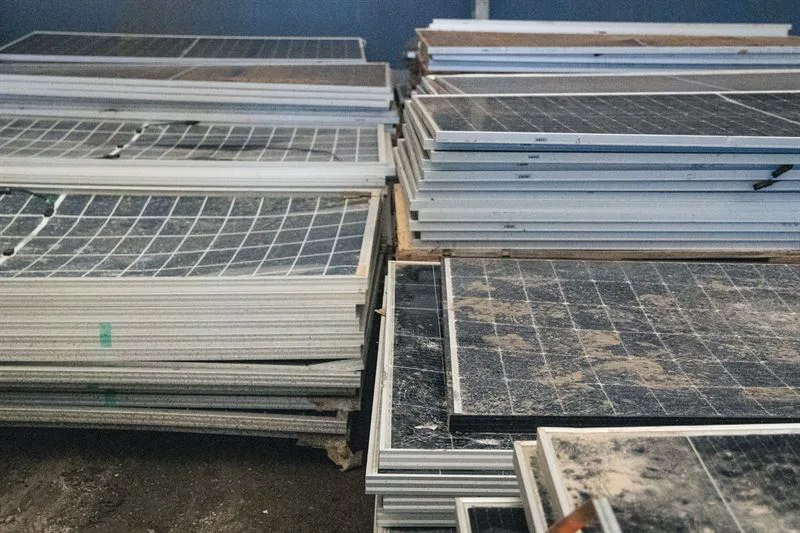
Sweden could need to manage up to 150,000 tonnes of end-of-life solar panels annually by around 2060.
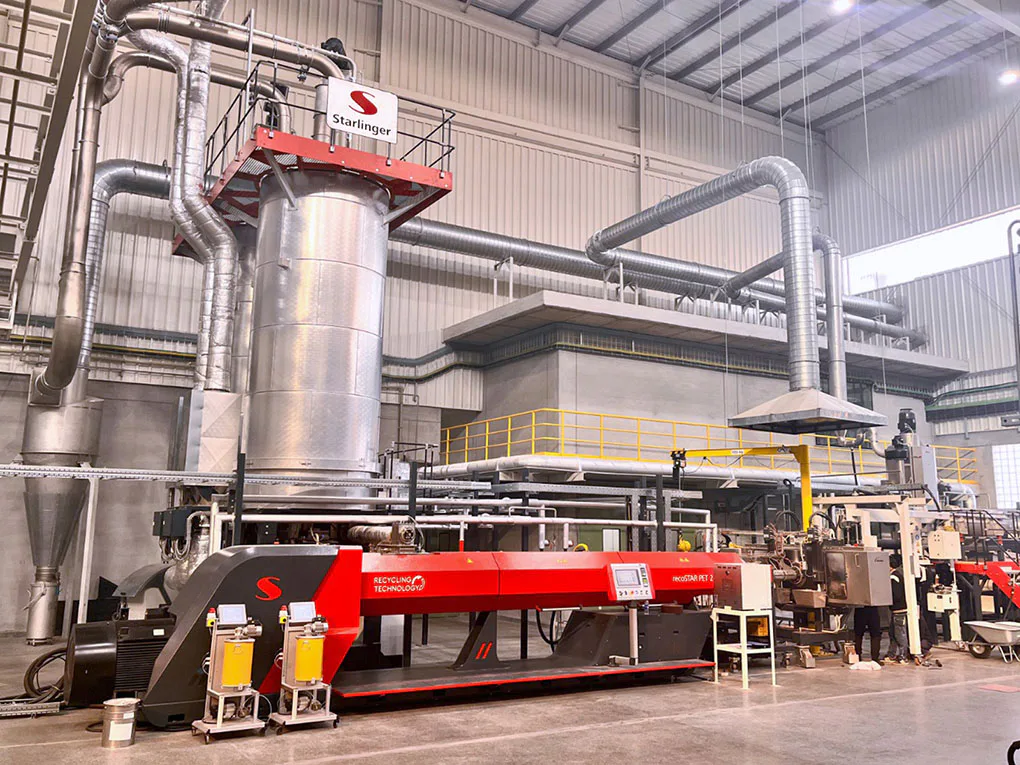
Pakistan-based PET producer Novatex has commissioned a bottle-to-bottle recycling plant near Lahore with an annual production capacity of more than 24,000 tonnes of food-contact recycled polyethylene terephthalate (rPET).

The construction sector is one of the world's largest consumers of raw materials and at the same time among the most substantial sources of greenhouse gas emissions.

Nitrogen and phosphorus losses are among Europe's most pressing environmental problems.

Recycling operations lose value when important decisions remain fragmented across intake, sorting, dis-mantling, inventory, resale and material recovery. AI-supported systems can help operators structure these decisions earlier, improve consistency and connect physical processing with digital workflows.
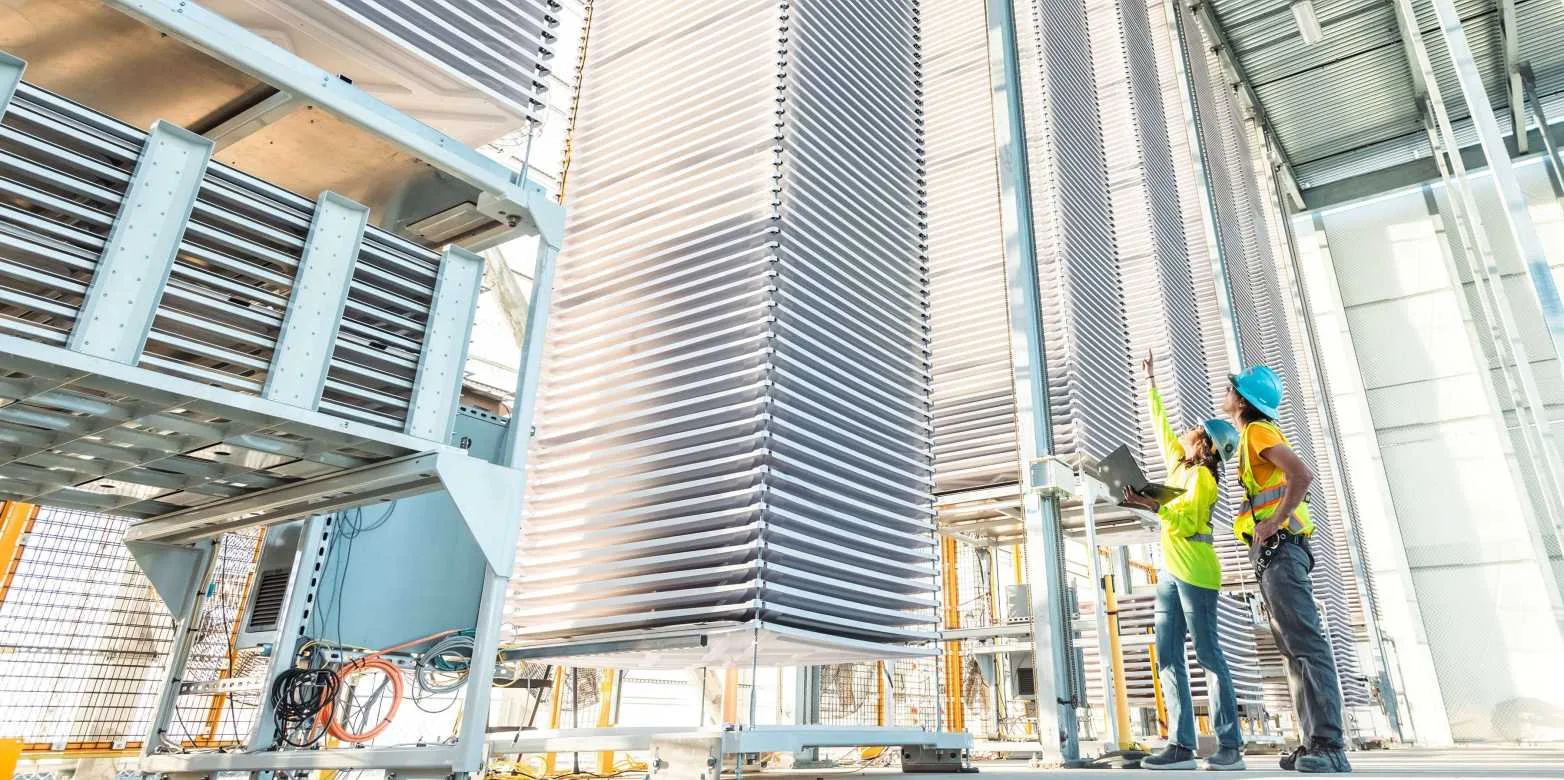
The production of cement ranks as one of the world's largest industrial sources of CO₂. A new study now shows how cement production could in future be used to remove CO₂ from the atmosphere - based on a technology utilising lime.

The transformation to a circular economy requires enormous investments in energy-efficient processes, sustainable production systems and new business models.

Energy-intensive industries are at the heart of European climate, environmental and industrial policy.

Finnish researchers have investigated the efficiency of AI-supported sorting systems in building material recycling compared to conventional methods.

Engineering plastics pose special challenges for recycling.